Pair Every Room with Plants That Truly Thrive

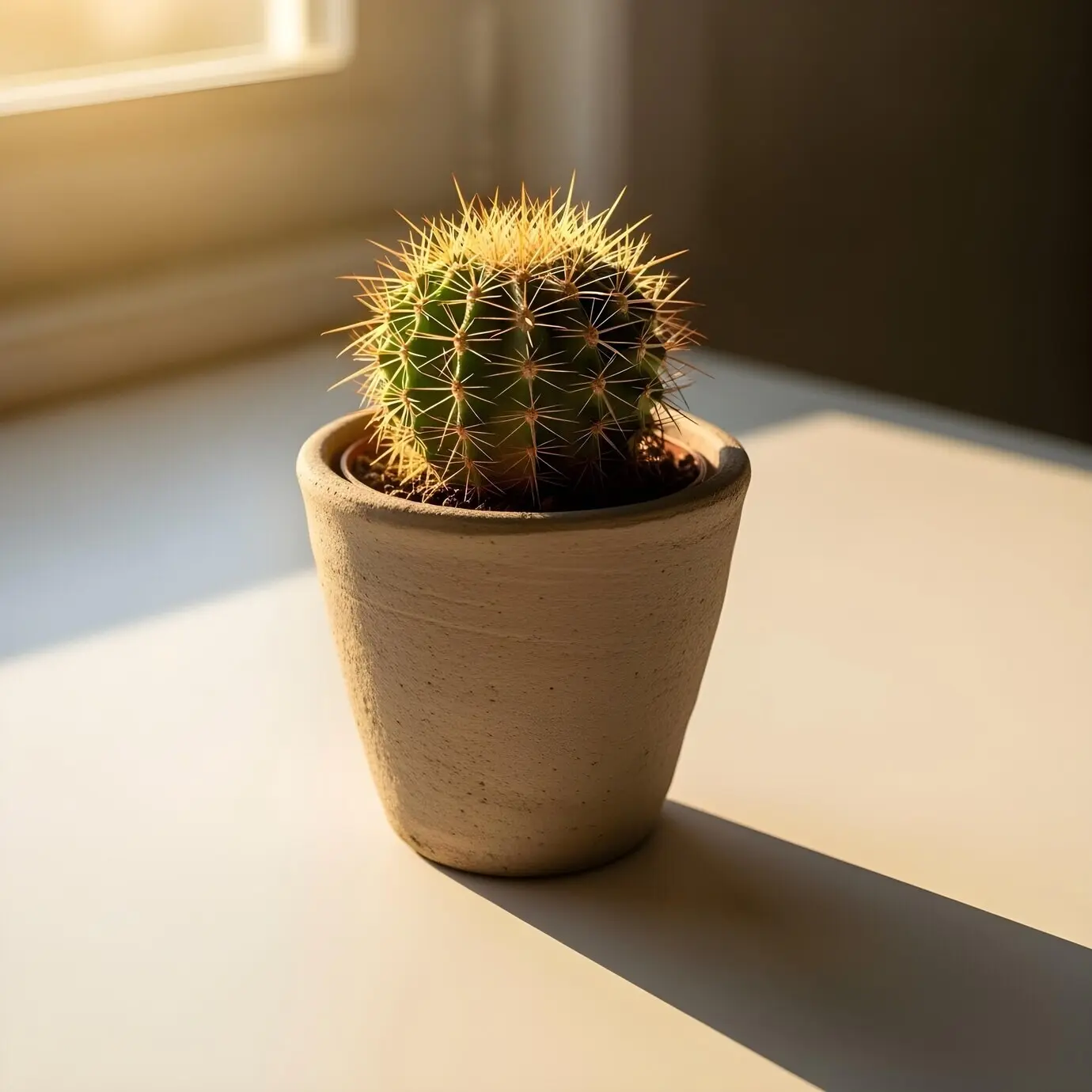
Welcome! Today we’re diving into room-by-room houseplant matchmaking, helping you pair light, humidity, and daily routines with species that love your spaces. Expect practical setups, small victories, care checklists, and inspiring anecdotes that turn guesswork into confidence. Share your favorite pairings, ask questions about tricky corners, and subscribe to get fresh ideas that grow with your home, season after season.

Living Room Light, Conversation, and Green Drama

Your living room hosts sunlight, stories, and everyday movement, making it perfect for expressive foliage that encourages gathering. Balance bright windows with sheer curtains, place taller specimens where they frame seating rather than block views, and choose plants that forgive occasional missed watering. Air-circulating ceiling fans, heaters, and door drafts influence placement, so observe leaf edges over a week. Adjust slowly, rotate pots monthly, and let greenery guide flow.

Mapping the Light Without Guessing

Stand in the room at breakfast, midday, and late afternoon, noticing where sunlight lingers and where shadows soften. If a paperback warms on the coffee table at noon, that spot suits bright-indirect lovers. Use a light meter app for evidence, not just hunches, and layer sheer curtains to calm harsh beams. Remember reflections from pale walls amplify intensity, while deep sofas swallow brightness, changing a plant’s comfort zone.

Choosing a Showstopper Without the Stress

Big leaves impress, but maintenance matters more than spectacle. Monstera tolerates gradual neglect and adapts to bright-indirect conditions, while Fiddle Leaf Fig prefers steadier moisture, higher light, and minimal movement. Test your routine with a resilient Rubber Plant first, then upgrade drama. Select sturdy pots with internal liners, add felt pads for furniture protection, and train aerial roots on moss poles to guide growth upward rather than into traffic.

Style, Safety, and Traffic Patterns

Match containers to decor to avoid visual clutter, but prioritize stability for curious pets and bustling kids. Heavy ceramic reduces tipping near coffee tables. Place snake plants beside bookshelves where corners need structure, and use plant stands to elevate trailing vines beyond grasping hands. For pet safety, keep philodendrons out of reach, consider Calathea or Parlor Palm, and anchor tall pieces away from swinging doors and weekend dance parties.

Bedroom Calm and Deep Breathing

Sleep spaces reward quiet growers that prefer gentle light, steady humidity, and minimal nighttime fuss. Aim for soft, diffused brightness and calm textures rather than heavy fragrance. Consider a small grouping that invites slow watering rituals, supports a restorative evening routine, and never crowds your nightstand. Keep foliage away from direct airflow of heaters or AC, wipe dust regularly for comfort, and let greenery whisper rather than shout.

Kitchen Heat, Splashes, and Herb Joy

Mount a rail beneath a bright window and hang breathable pots with basil, thyme, mint, and chives. Aim for at least four hours of strong light or supplement with a compact grow bar on a daytime timer. Harvest lightly and often to encourage bushy growth. Water in the sink, let drains finish completely, and keep leaves clear of splatters. Label varieties with chalk tags so guests confidently pick the right garnish.
Identify hot spots near the stove and cold eddies under exterior doors. Place tough, trailing pothos or spider plants several feet from heat sources, and cluster more sensitive herbs at the brightest, cooler sill. Avoid top-heavy pots above fridges where vibrations can topple them. Wipe grease aerosols weekly because residue clogs pores on leaves, reducing photosynthesis. If circulation is poor, run a small fan on low to deter mildew.
Compact peperomia, haworthia, or rosemary in breathable clay containers fit nicely near prep areas while staying out of knife zones. Use saucers with lips to protect butcher block, and choose food-safe liners inside decorative sleeves. Create an easy relocation routine: during heavy cooking, lift plants onto a tray and move them to a safe corner. This habit preserves foliage, clears workspace, and prevents the dreaded sauce-splashed leaf surprise.

Bathroom Steam and Jungle Bliss

Bathrooms offer a delicious humidity bump many ferns, calatheas, and orchids adore, yet they also challenge with low light and rapid temperature swings. Embrace steam-friendly species, supplement illumination thoughtfully, and ensure airflow prevents mildew. Rinse leaves during showers, flush salts from potting mix monthly, and monitor water quality if your tap runs hard. A towel-warmer morning can double as a tropical spa moment for your fronded companions.

Moisture Lovers That Reward Consistency

Boston fern, maidenhair, and bird’s nest fern flourish when humidity stays elevated and soil never turns bone-dry. Use chunky, airy mixes and consider terracotta to prevent waterlogging. Hang a hygrometer, aiming for a comfortable middle ground rather than extremes. After hot showers, crack the door to release heat while leaving enough moisture for fronds to unfurl happily. If tips crisp, increase groupings or add a timed, gentle mist in moderation.

Low Light, Big Results with Smart Boosts

Bathrooms often lack windows or offer only frosted glass. Leverage mirrors, glossy tiles, and pale paint to bounce available light toward leaves. Install a small, waterproof-rated grow light with a daytime schedule that respects your routine. Choose adaptable plants like ZZ or pothos, but let them dry slightly between waterings despite humidity. Rotate placements monthly and track changes; a simple photo journal reveals which corner quietly performs best.

Hanging, Perching, and Safe Watering Habits

Macramé hangers and shower-rod perches create eye-level canopies while saving counter space. Use sealed ceiling hooks and rust-resistant hardware. Water plants in the sink or tub, let excess drain thoroughly, then return them to their spots to avoid drips that invite mildew. If shelves hold toiletries, designate a separate, wipeable plant zone. A reader swore by color-coded saucers to remind roommates which pots need gentle, not heavy, watering.

Home Office Focus with Uplifting Greens

A productive workspace benefits from leaves that ease eye strain, clarify surfaces, and cue gentle breaks. Favor tidy, upright shapes that won’t sprawl over keyboards, and position plants to create pleasing backgrounds for video calls. Desk lamps with grow-friendly bulbs on timers tame winter gloom. Tie hydration to calendar blocks, and celebrate small milestones by rotating pots, dusting leaves, and refreshing water trays. Progress feels greener when visible.

Desk Companions That Respect Your Workflow

Compact peperomia, pilea, or dwarf sansevieria hold their form between meetings, needing only occasional sips. Keep them an arm’s length from screens to avoid accidental knocks during animated calls. If you often travel, group plants on a single tray for quick relocation to brighter windows. Add felt feet to trays, and use distilled water if streaks appear on glossy leaves. Quick dusting with a soft brush preserves that polished look.

Backdrops for Confident Video Presence

Arrange a bookshelf vignette: one upright hero, one trailing softener, one small accent. Choose matte pots to avoid glare, and check camera framing before final placement. Vines like philodendron micans drape beautifully without consuming shelves. Keep cords tidy with adhesive clips, leaving plant access for watering. A gentle backlight highlights foliage texture and your face, creating a balanced, friendly atmosphere that quietly communicates care, clarity, and creative momentum.

Rituals That Keep Plants and Projects On Track

Pair evergreen habits with recurring tasks: water during your weekly planning session, rotate pots after finishing a milestone, and wipe leaves while clearing your inbox. Use reminders labeled by room so your brain links place and action. Track minor experiments—like moving a peperomia six inches closer to the window—in a note. Tiny adjustments compound into sturdy growth and consistent focus, making motivation easier to find on tough days.

Entryway First Impressions That Last

Thresholds are dramatic: cheerful daylight one month, chilly drafts the next. Choose resilient plants that greet guests without complaining, set them back from swinging doors, and stabilize containers against wobbles. Use vertical stands to save floor space, and consider a mirror to bounce scarce light. Rotate displays seasonally, quarantine newcomers briefly, and always keep walkways clear. Small decisions here shape the tone for everything that follows inside.

Draft Defense and Durable Beauty

Cast iron plant, snake plant, and ZZ shrug off occasional cold air and inconsistent attention. Place them at least a foot from door gaps, and insulate pots with cork pads to buffer floor chill. Dust leaves monthly to maintain shine and stress resilience. If the entry turns bright in summer, shift sensitive plants deeper inside. A sturdy coir mat catches runoff during winter watering, reducing slippery surprises and scuffed finishes.

Narrow Spaces, Vertical Wins

Tight foyers still host lovely greenery when you build upward. Use slim, weighted stands and wall-mounted planters secured into studs. Keep foliage trimmed to prevent snags on coats and backpacks. Favor compact, upright species that look intentional, not squeezed. Mirrors and pale paint extend apparent depth, while a single trailing piece adds movement. Leave clearance for sweeping and mopping, and choose easy-clean pots that resist scuffs from frequent shoe traffic.

Seasonal Rotations and Gentle Acclimation

Entryway conditions change quickly with weather and holiday traffic. Plan a rotating cast that can shift to brighter rooms during winter and return when spring lengthens days. Acclimate gradually over a week to avoid shock. Wipe containers, refresh topsoil, and inspect for hitchhiking pests before reintroducing plants from porches. Invite readers to post before-and-after photos of their swaps; shared experiments inspire smarter placement and kinder care rhythms for everyone.

Panoxelurivantapio
Privacy Overview

This website uses cookies so that we can provide you with the best user experience possible. Cookie information is stored in your browser and performs functions such as recognising you when you return to our website and helping our team to understand which sections of the website you find most interesting and useful.