
Low-Light Survivors That Still Thrive
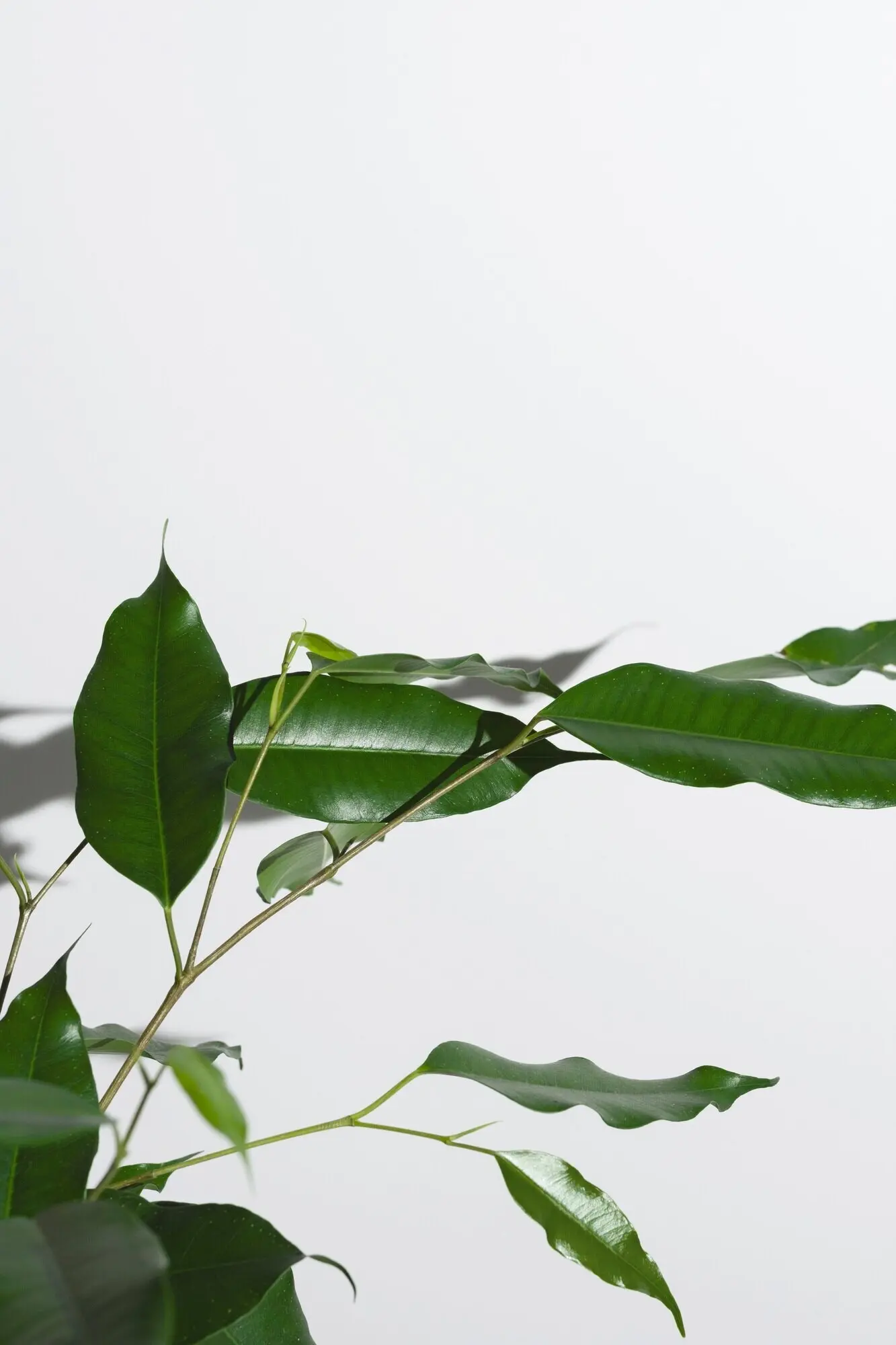
Snake plants, ZZ plants, cast‑iron plants, and pothos tolerate dimmer corners, especially a few feet from an east window or near a clear north pane. Growth stays modest, but leaves remain sturdy if soil dries thoroughly. Stretching and pale foliage signal they’re too far. Slide them forward, clean the glass, and celebrate steady, dependable greenery with minimal fuss.
Bright Indirect Enthusiasts
Monstera deliciosa, rubber plants, hoyas, and prayer plants enjoy abundant brightness without direct beams searing their leaves. Place them near south or west windows behind sheer curtains, or right beside an east window. You’ll see broader leaves, stronger petioles, and faster growth. If scorch appears, diffuse more; if internodes stretch, inch closer until silhouettes look compact and confident.
Direct Sun Devotees
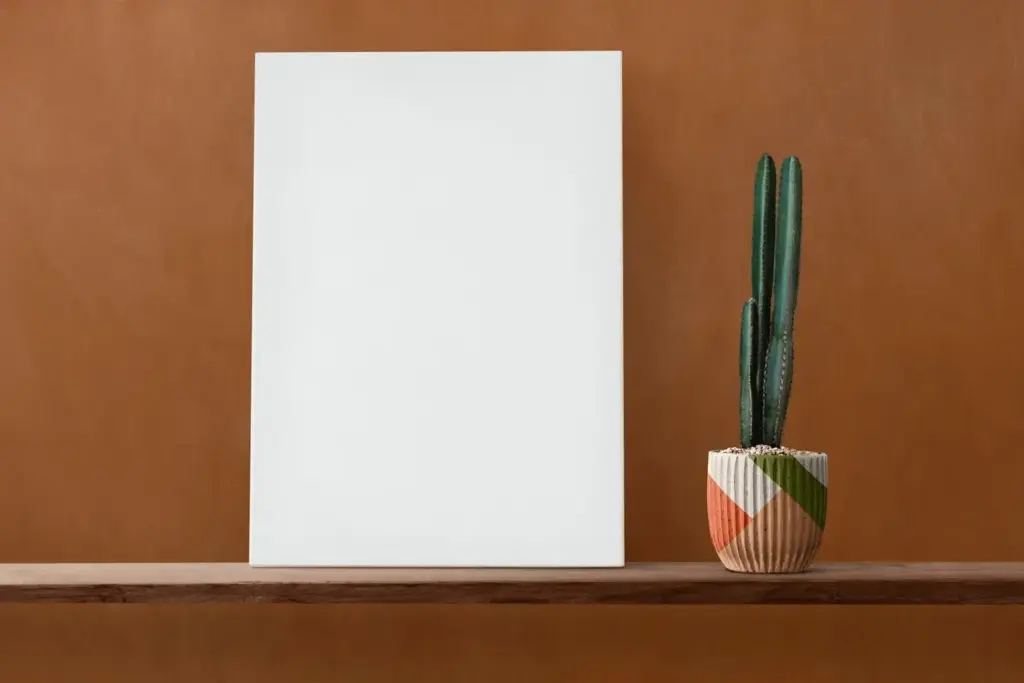
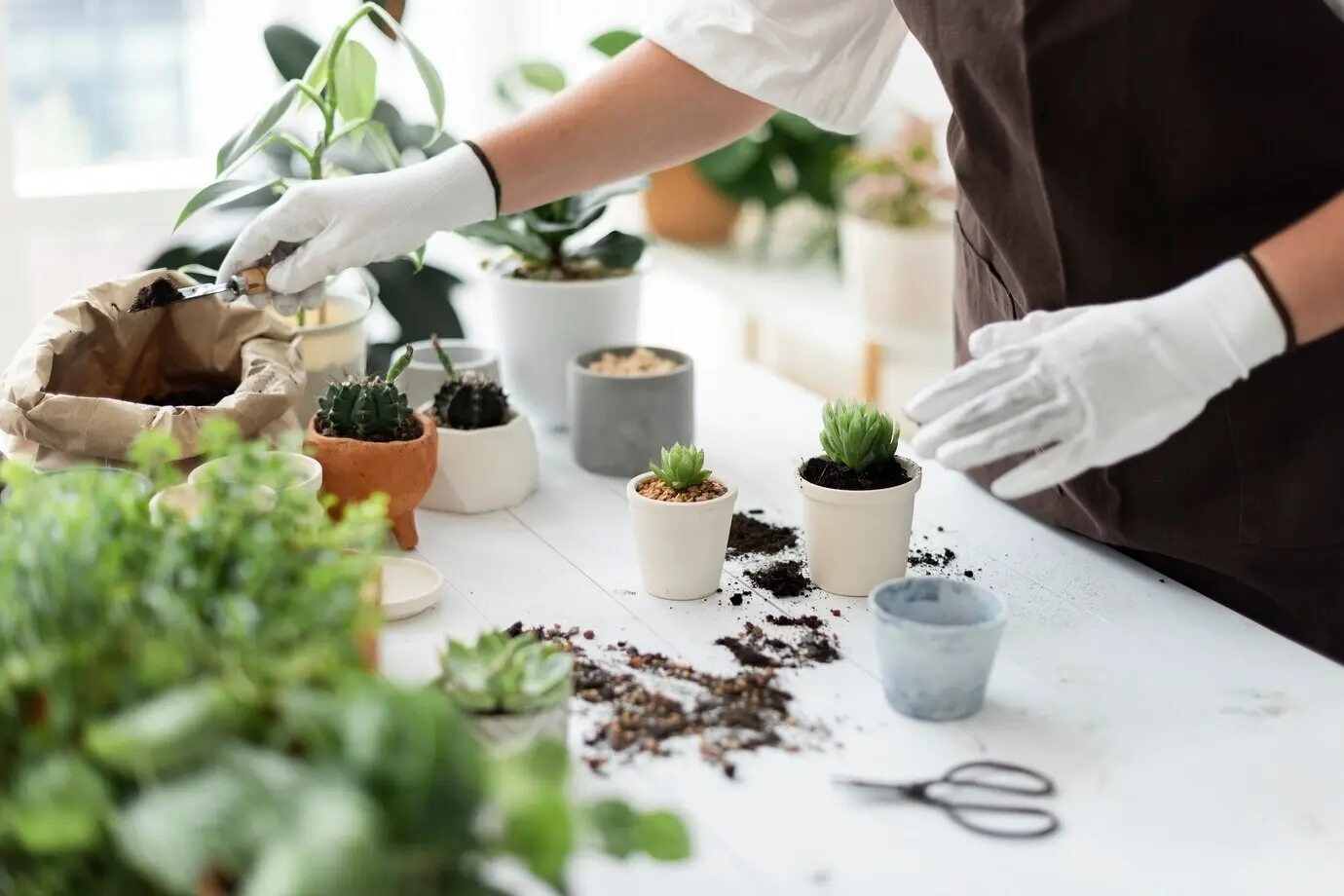
Cacti, jade plants, echeverias, rosemary, and dwarf citrus crave prolonged rays and warm sills. Give them south or west spots with at least several hours of sun, turning pots monthly to shape even rosettes. Use gritty, fast‑draining mix and water deeply yet rarely. If stems redden pleasantly, they’re happy; if leaves wrinkle, water once and reassess placement.