Breathe Easier with Smart Green Choices
Today we explore air‑purifying plant picks targeted to specific indoor pollutants, pairing real household sources with living filters that fit different rooms, routines, and care levels. You will learn practical matches, care habits that amplify results, and thoughtful placement strategies that complement ventilation, cleaning, and monitoring for a calmer, fresher, healthier home atmosphere.

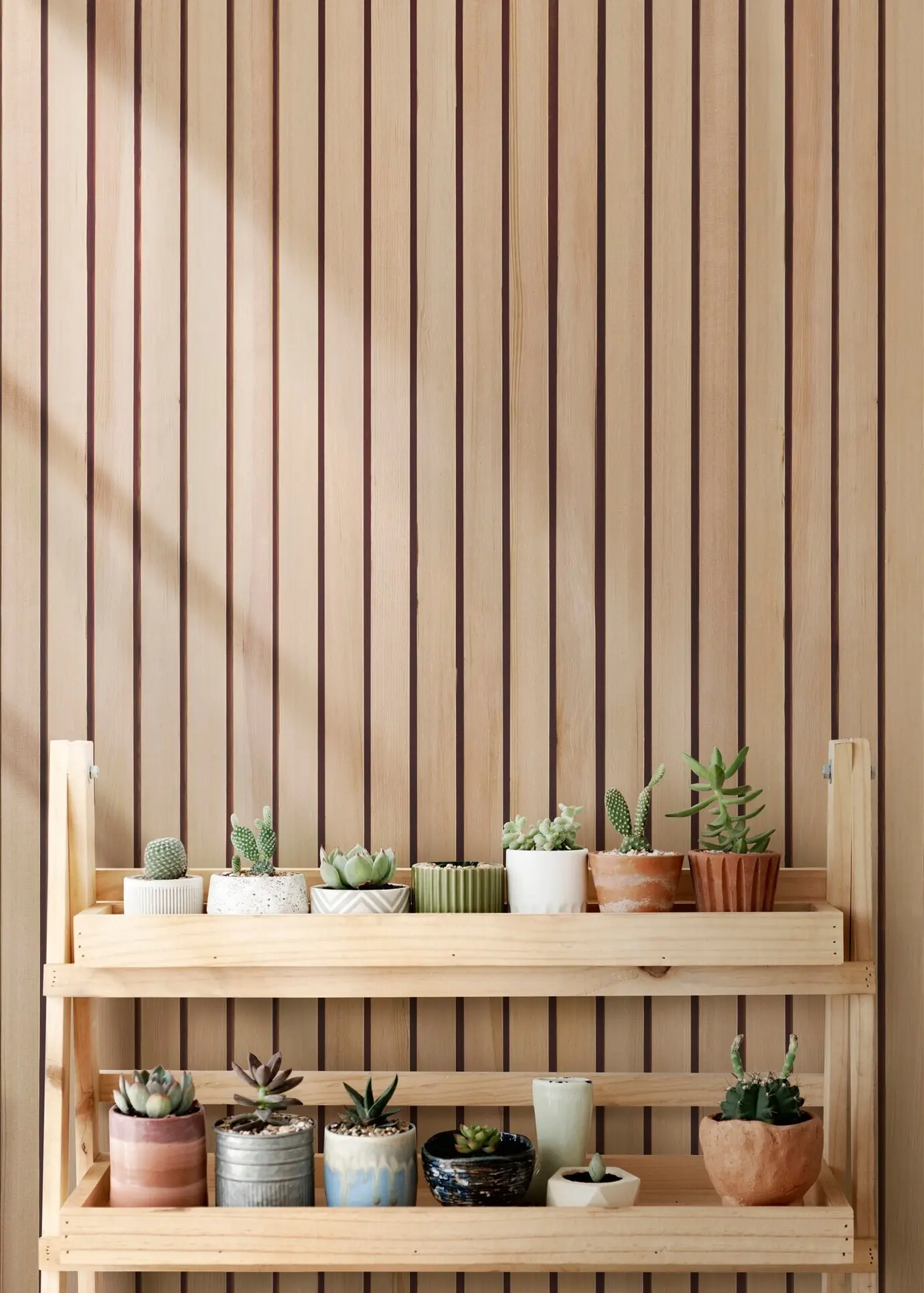
Match the Pollutant to the Plant
Start by identifying what lingers in your air: fumes from new furniture, solvents from craft corners, lingering odors after cooking, or off‑gassing from paints and flooring. Matching specific plants to likely contaminants brings focus, measurable comfort, and satisfying progress, especially when you combine greenery with simple habits like opening windows, using fans, and choosing low‑VOC products for an all‑around cleaner indoor environment.





Care Routines that Boost Filtration
Healthy leaves work harder. Consistent light, careful watering, and clean foliage all support the plant’s natural processes associated with pollutant uptake and microbial activity in the potting mix. While no single plant is a silver bullet, these gentle routines make a noticeable difference, helping your green companions stay vigorous while you continue practical steps like source control, regular dusting, and seasonal deep cleaning throughout your living and working spaces.
Placement Strategies in Real Homes
Thoughtful placement matters as much as plant choice. Position greenery close to suspected sources without blocking walkways or crowding radiators and vents. Cluster compatible species for a small, cumulative effect. Prioritize safety, airflow, and convenience, because the plants you care for consistently are the plants that provide steady comfort. Combine with smart storage, regular airing out, and mindful product choices for a practical, sustainable improvement across seasons.
Kitchens and Gas Stove Byproducts
Cooking releases moisture, particles, and gases, including nitrogen dioxide near gas stoves. Plants offer aesthetic calm and may buffer certain VOCs, but they do not replace exhaust hoods or open windows. Pair a compact cluster of pothos or herbs away from burners with a diligent habit of running ventilation while cooking. A subscriber mounted a magnetic timer near the hood switch to nudge consistency, then enjoyed fresher air along with green, edible companionship by the window.

Home Offices, Printers, and Ozone Odors
Laser printers and copiers can contribute odors and fine particles. Place a peace lily or dracaena near the workstation but anchored away from heat vents. Add a purifier with a true HEPA filter for particles, and ventilate after long print runs. One reader kept a bamboo palm by the file cabinet, turned on a desk fan for short bursts toward a cracked window, and noticed fewer end‑of‑day headaches plus a calmer, more grounded workspace.

Bedrooms, Nighttime Breathing, and Myths
Snake plant and other hardy species fit serene bedrooms, yet plants alone do not overhaul oxygen levels or replace ventilation. Focus on cleanliness, open windows when feasible, and keep soil tidy to avoid musty odors. A small grouping on a dresser can soothe the senses and buffer minor VOCs from fabrics or finishes. Readers often report better routines and moods when greenery cues bedtime rituals like dimming lights earlier and putting phones away promptly.
Small‑Space and Low‑Maintenance Picks
Apartments, dorms, and busy schedules can still host effective, beautiful greenery. Choose species that tolerate occasional neglect, accept moderate light, and grow in compact footprints. Use vertical shelves, hanging planters, and wall‑mounted pots to build lushness without clutter. Remember that several small, healthy plants maintained consistently usually outperform one oversized specimen that languishes in a dim corner or sits in soggy soil far from daily attention.

Pet‑Friendly Alternatives and Smart Placement

For homes with cats or dogs, consider spider plant, areca palm, parlor palm, and certain ferns, then confirm safety with trusted references. Keep riskier beauties like pothos or peace lily out of reach. Hanging planters, sturdy shelves, and plant cages protect leaves while allowing graceful displays. Readers often share that gentle deterrents, engaging toys, and consistent routines reduce nibbling, preserving harmony between playful companions and the calming presence of living, breathing foliage.
Reducing Irritants for Allergy‑Prone Guests

Minimize pollen and dust by choosing plants with cleaner leaves, rinsing foliage occasionally, and using fresh, sterile potting mix. Avoid fragrance‑heavy blooms if they spark discomfort. Peace lily releases some pollen; spider plant and snake plant tend to be more neutral. Keep filters clean, run purifiers during peak seasons, and use drip trays to prevent spills. Small adjustments help everyone feel welcome, making your green arrangements supportive rather than distracting or overwhelming.
Keeping Soil Fresh and Mold at Bay
Allow the top layer of soil to dry slightly between waterings, prune dead matter, and improve airflow with a small fan on low for an hour daily in damp climates. Bottom‑water when possible, and empty saucers promptly. Repot annually, and avoid oversized containers that stay wet too long. These habits keep the root zone vibrant and the surrounding air feeling clean, while preserving the comfort that draws people toward plants in the first place.
A Studio Refresh that Eased Afternoon Fog
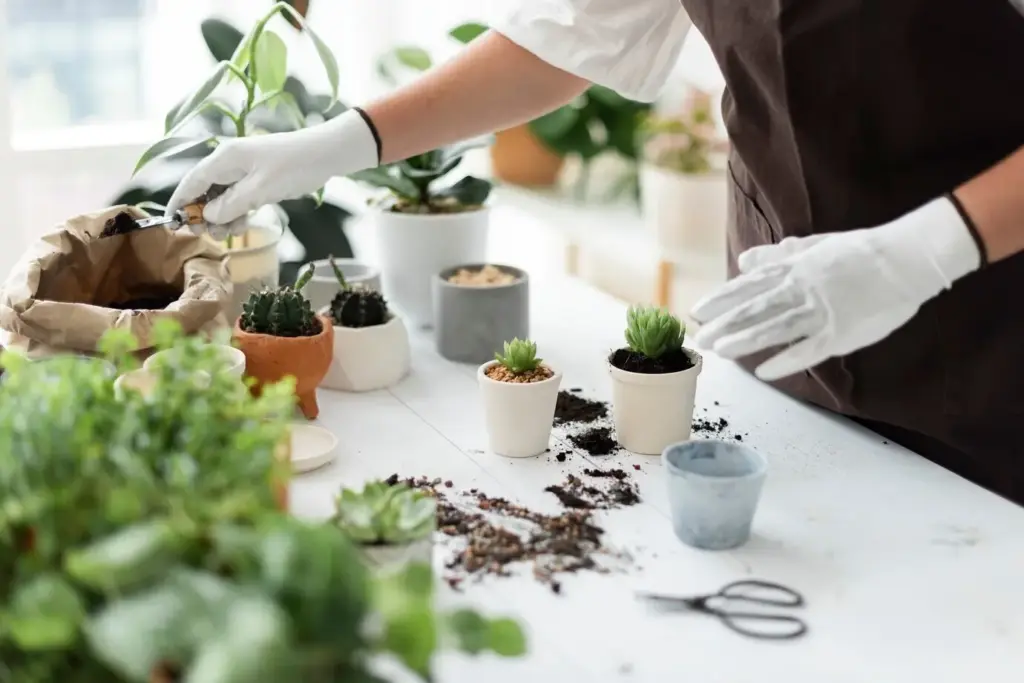
One painter replaced solvent‑heavy products, added two bamboo palms and a pothos shelf, then scheduled short, consistent ventilation breaks. Headaches diminished, energy stabilized, and clients noticed the brighter mood the moment they entered. The artist kept a small journal tracking smells, light, watering, and window times. That record helped refine placement, plan repotting, and identify exactly which habits made the biggest difference during the busiest exhibition weeks of the year.
A Renter’s Seasonal Rotation that Works
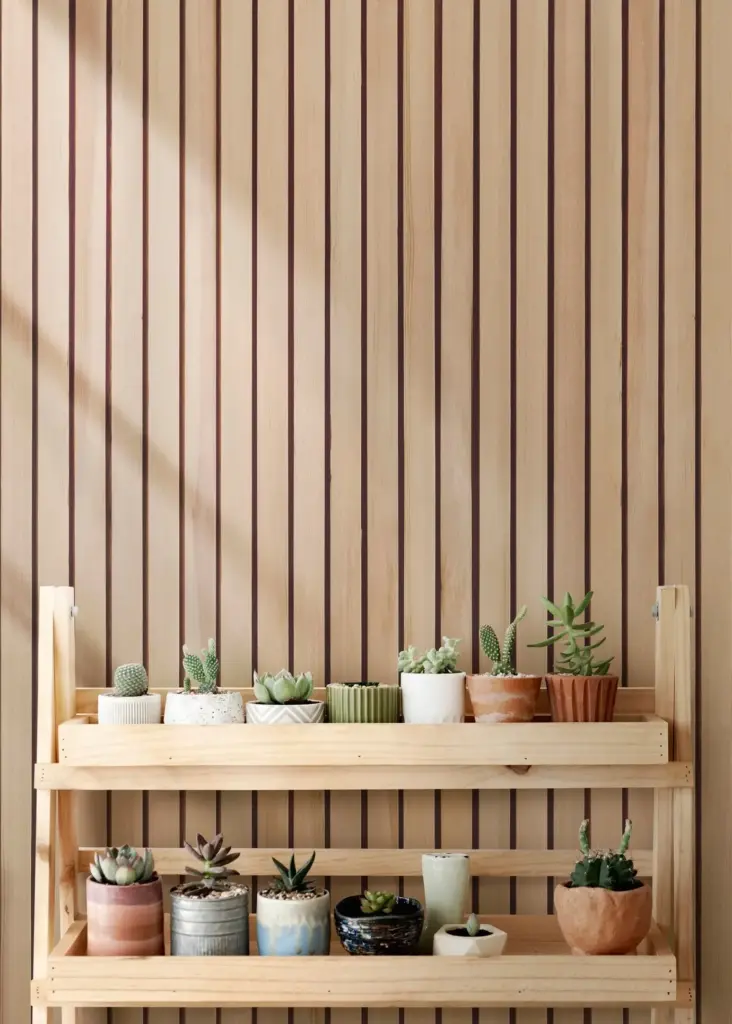
A renter without control over building ventilation built a rotation: ferns and peace lilies in brighter spring windows, snake plants and ZZ plants in deeper winter corners, with periodic leaf wipes and soil refreshes. Mini clusters lived near painting supplies, and spider plants brightened a new desk. Over a year, the apartment felt fresher and more intentional. Sharing before‑and‑after photos encouraged friends to try small changes rather than waiting for perfect conditions.
Join In: Share, Ask, and Subscribe
Tell us which indoor pollutants concern you most, where odors linger, and what spaces challenge you. Post photos, request plant pairings, and share what worked or failed. We read every comment and evolve guides based on your stories. Subscribe for checklists, seasonal care reminders, and quick experiments that turn small moments of attention into lasting comfort, confidence, and genuinely breathable beauty throughout your home and work life.
All Rights Reserved.