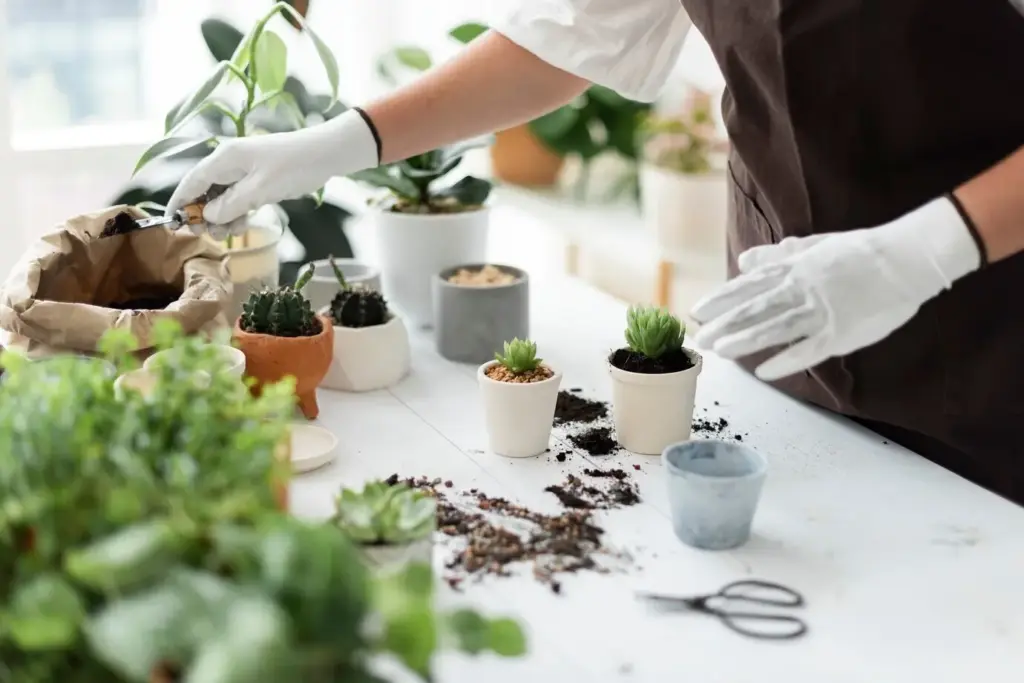
Bring Your Rooms to Life with Style-Savvy Plant Pairings


Today we explore Style-Driven Plant Pairings: Boho, Minimalist, and Modern Interiors, turning design moods into living greenery that softens edges, frames light, and amplifies character. You will learn to match foliage forms, textures, and containers with your furniture lines, lighting conditions, and daily rhythms, building rooms that feel intentional, soulful, and easy to care for.

Read the Room: Light, Lines, and Lifestyle

Before you bring home a new plant, study how your space behaves across a day: where sunlight lingers, how shadows move, and which surfaces bounce brightness back. Notice furniture profiles, door swings, and walking paths. Matching leaf shape, plant habit, and container scale to these cues ensures greenery complements boho softness, minimalist clarity, or modern structure without cluttering views or complicating routines.

Light and Orientation

North-facing windows reward shade-tolerant species with steady, gentle light, while south exposures challenge leaves with intensity and heat. East light flatters morning routines; west light demands vigilance during summer. Reflective walls, sheer curtains, and neighboring buildings modify exposure dramatically, so measure, observe, and adapt placement before judging a plant’s performance or blaming your care.

Lines, Shapes, and Negative Space

In rooms defined by curves, baskets, and layered fabrics, choose trailing or vining plants that echo softness. Where straight lines, planes, and wide margins dominate, favor upright, sculptural silhouettes that protect breathing room. Consider how a pot’s diameter, stand height, and foliage spread preserve sightlines, invite calm, and reinforce your chosen visual rhythm.

Lifestyle and Maintenance Reality

Design choices must survive real life. If you travel, self-watering reservoirs, buffered soil mixes, and resilient species reduce risk. If you work beside your plants, avoid spiky margins near elbows and screens. After one distracted week crisped my calathea, I pivoted to forgiving peperomia, then planned humid zones where fussier leaves actually thrive.
Boho Warmth: Lush Layers and Nomadic Charm

Celebrate collected textures, sun-faded textiles, and carefree movement by pairing trailing vines with woven baskets, mudcloth pillows, and hand-thrown clay. Mix patterned rugs with terracotta patina, introduce cacti as rhythmic punctuation, and let scent drift from dried herbs. The magic arrives when stories gather: every leaf, pot, and weave feels found, loved, and lived-in.
Philodendron micans, pothos, and hoya send velvet leaves and luminous tendrils across bookshelves, macramé, and window frames, echoing tassels and fringe without overwhelming the room. Train strands along discreet hooks, stagger heights for dimension, and keep airflow gentle so fabric and foliage sway together, catching afternoon light like a slow, welcoming soundtrack.
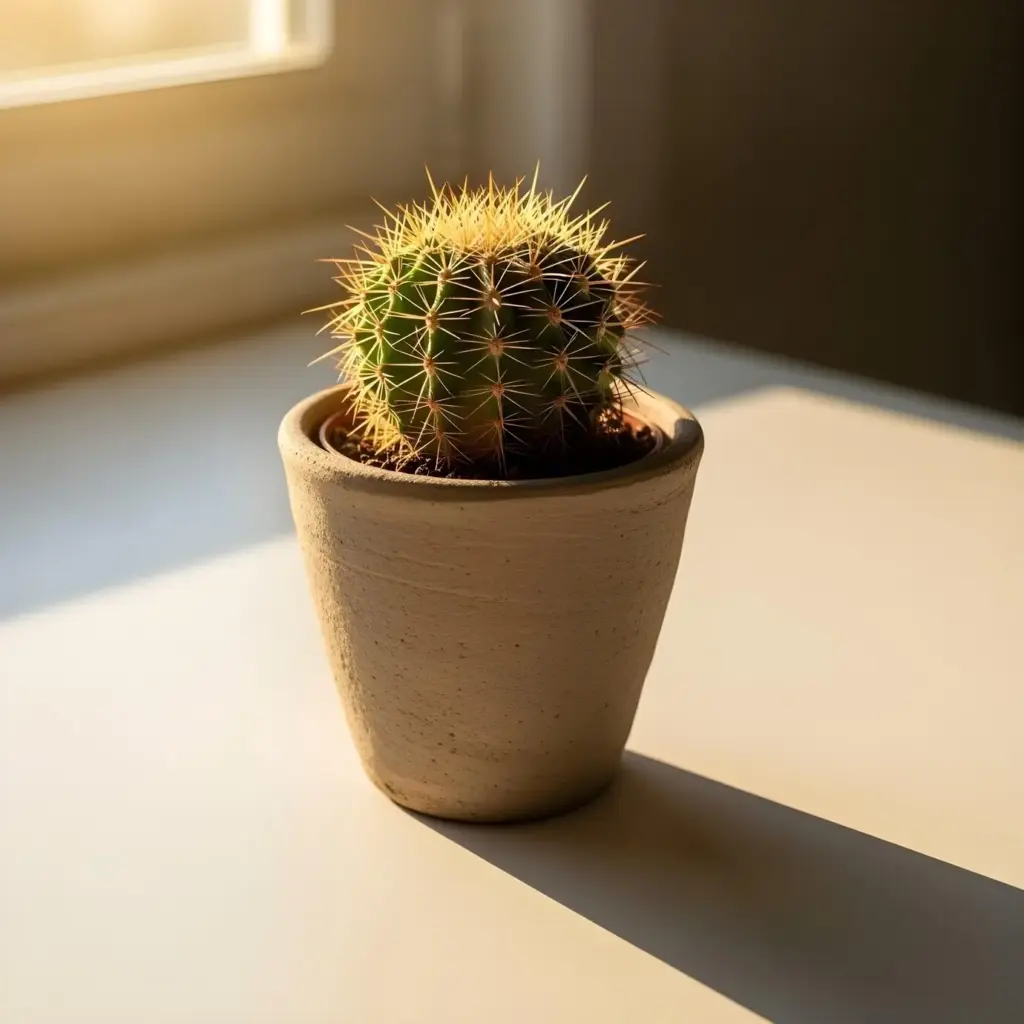
For the bright, relaxed nook, introduce cacti, euphorbia, aloe, or a ponytail palm. Their sculptural silhouettes add contrast against kilims and rattan, while gritty, fast-draining mixes and deep, infrequent watering keep roots content. Group by similar needs, rotate monthly, and celebrate shadows cast like tiny sundials across woven textures and sunlit brick.

Minimalist Calm: Quiet Forms, Fewer, Better

Clarity starts with restraint. Choose a small roster of reliable plants, give them generous negative space, and align planters precisely with architecture. Cool neutrals, repetition, and matte finishes let strong silhouettes breathe. The result is serenity you can dust easily, water on schedule, and enjoy without your eye tripping over distractions or visual noise.

Architectural Silhouettes That Breathe

Snake plant, ZZ plant, aspidistra, and rubber plant reward thoughtful neglect while offering crisp geometry. Place a single specimen where a chair back ends or a doorway needs punctuation. Wipe leaves for softness, not shine, and rotate quarter turns weekly so the form reads intentional from every angle, even during busy seasons.

Monochrome Pots and Massing Strategy

Uniform white or charcoal cylinders dissolve into walls and floors, allowing foliage to take lead. Consider massing three identical pots with the same species to build calm, rhythmic impact. A thin black tray unifies the grouping, catches stray water, and signals order without shouting, perfect for quiet mornings or focused creative work.

Modern Edge: Sculptural Statements That Hold the Room

Bold Specimens with Graphic Leaves

Fiddle-leaf fig, monstera deliciosa, bird of paradise, or Alocasia regal shield each deliver unmistakable silhouettes. Support with sturdy stakes, generous pots, and patient acclimation to bright, indirect light. Rotate monthly, check airflow, and accept seasonal leaf turnover as part of the sculpture’s life, not a crisis demanding drastic change or constant intervention.

Metal, Glass, and Elevated Stands

Pair matte black stands, slender brass frames, or clear acrylic pedestals with simple cylinders to lift foliage and reveal architecture. Elevation protects floors from splashes and defines zones without walls. Mind cable paths, integrate saucers discreetly, and use felt pads so moving pieces for cleaning never telegraphs fussiness or leaves frustrating scuffs.

Night-Mode Drama with Lighting

Directional uplights, warm spot fixtures, or full-spectrum LED strips can graze leaves, casting graphic patterns that rival artwork. Use dimmers to preserve evening calm, and timers so care stays consistent. Position lights to avoid heat stress, and embrace reflections on glass surfaces that multiply foliage silhouettes into a sophisticated, cinematic after-dark experience.

Color and Material Harmony: Pots, Textiles, Walls

Let finishes converse. Terracotta breathes and warms cool rooms; glazed ceramics add saturated notes; concrete grounds airy palettes with quiet heft. Echo one color from art to planters to throw pillows to connect sightlines. A disciplined palette turns disparate plant types into a cohesive story, even as heights, textures, and shadows vary wildly.

Terracotta, Glazed, and Concrete in Dialogue

Each material changes care. Terracotta wicks moisture, so water deeper and slightly more often. Glazed pots retain moisture; check roots to avoid stagnation. Concrete may raise pH; line with nursery pots. Unify with cork pads, linen curtains, and patina that builds over seasons, letting use and time become design elements themselves.

Pattern Play Without Overload

Balance movement thoughtfully. For boho, layer two patterns and repeat a color to anchor swirls of texture. For minimalist rooms, choose one subtle stripe or a single sculptural weave. In modern settings, deploy geometric grids in small doses, then let a plant’s natural veining complete the rhythm without crowding everyone’s attention.

Finishes, Patina, and Sustainable Choices

Seek recycled clay, responsibly sourced glaze, or lightweight papercrete where possible. Favor saucers over trays if it simplifies care. Celebrate scuffs, mineral blooms, and sun-fade as proof of life, not defects. Repair chips with gold epoxy or wax, extending each vessel’s story while keeping waste low and design integrity refreshingly honest.

Care Systems That Fit Your Aesthetic

Beautiful rooms endure when maintenance feels natural. Build routines that match your energy and style—checklists for minimalists, intuitive zones for boho, timed tasks for modern homes. Tuck tools into attractive baskets or drawers, label discreetly, and automate reminders. Share your progress photos, ask questions, and subscribe so we can grow smarter together.
Panoxelurivantapio
Privacy Overview

This website uses cookies so that we can provide you with the best user experience possible. Cookie information is stored in your browser and performs functions such as recognising you when you return to our website and helping our team to understand which sections of the website you find most interesting and useful.