Greens That Belong: Pairing Houseplants With Your Home’s Hidden Climates

Today we explore matching indoor plants to home microclimates—dry, humid, drafty, and warm—so your collection flourishes with less guesswork. We will map everyday corners, pair species with conditions they truly like, and share practical routines. Bring tea, curiosity, and experiments—then comment with discoveries and subscribe for future deep dives.

Windows, Corners, and the Way Air Actually Moves

Stand near windows and doors, and actually feel the air. Light a stick of incense to watch drafts curl; note where smoke accelerates or stalls. Combine observations with a cheap hygrometer reading, and you’ll understand why one shelf thrives while another struggles only two meters away.

Morning Sun, Afternoon Heat, and Seasonal Personality Shifts

Morning sun can be gentle and golden, while afternoon light may deliver heat that shifts leaf behavior dramatically. Track seasons too; winter glass leaks chill that summer hides. By journaling quick daily notes, patterns emerge, guiding plant moves that reduce stress and encourage steady, resilient growth.

Simple Tools: Hygrometers, Thermometers, and Your Skin’s Feedback

You do not need laboratory gear. A tiny digital hygrometer, a basic thermometer, and your skin’s sense of dryness or clamminess provide enough clues. Recheck after cooking, showers, or heating cycles, because microclimates swing with routines, and plants appreciate adjustments that follow your actual lifestyle rhythms.
Dry Air Champions That Stay Beautiful Between Waterings

Some plants are built for parched apartments. Thick leaves, waxy cuticles, and clever water storage mean fewer emergencies when the heater runs nonstop. Choose varieties that forgive delayed watering, then fine-tune soil and container choices so roots breathe, preventing rot while holding just enough moisture between sips.

Sculptural Succulents That Store Their Own Rain

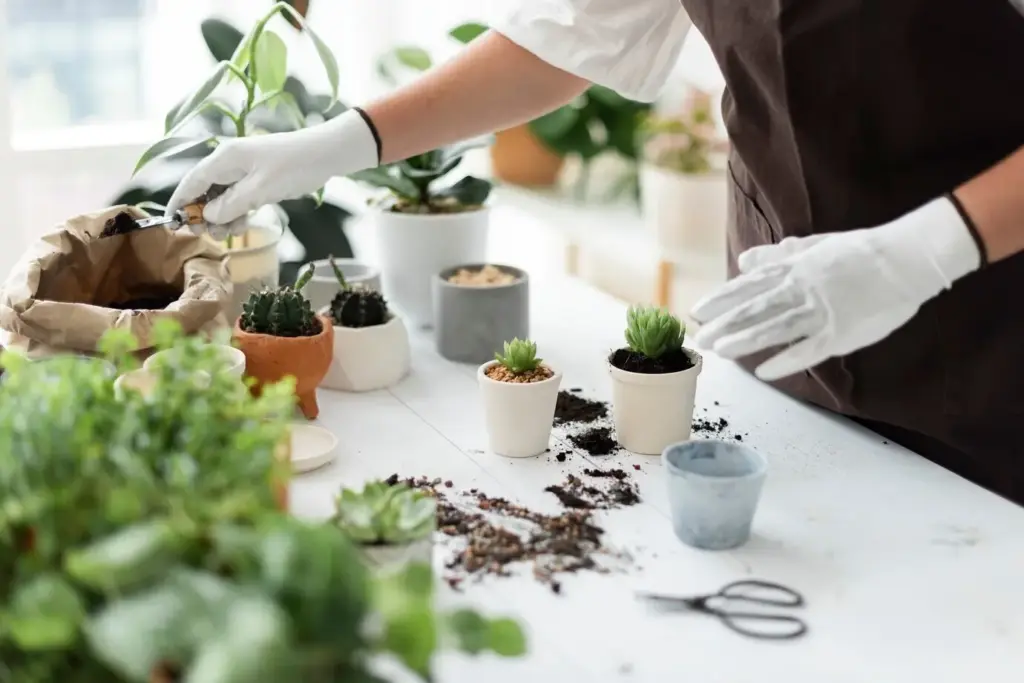
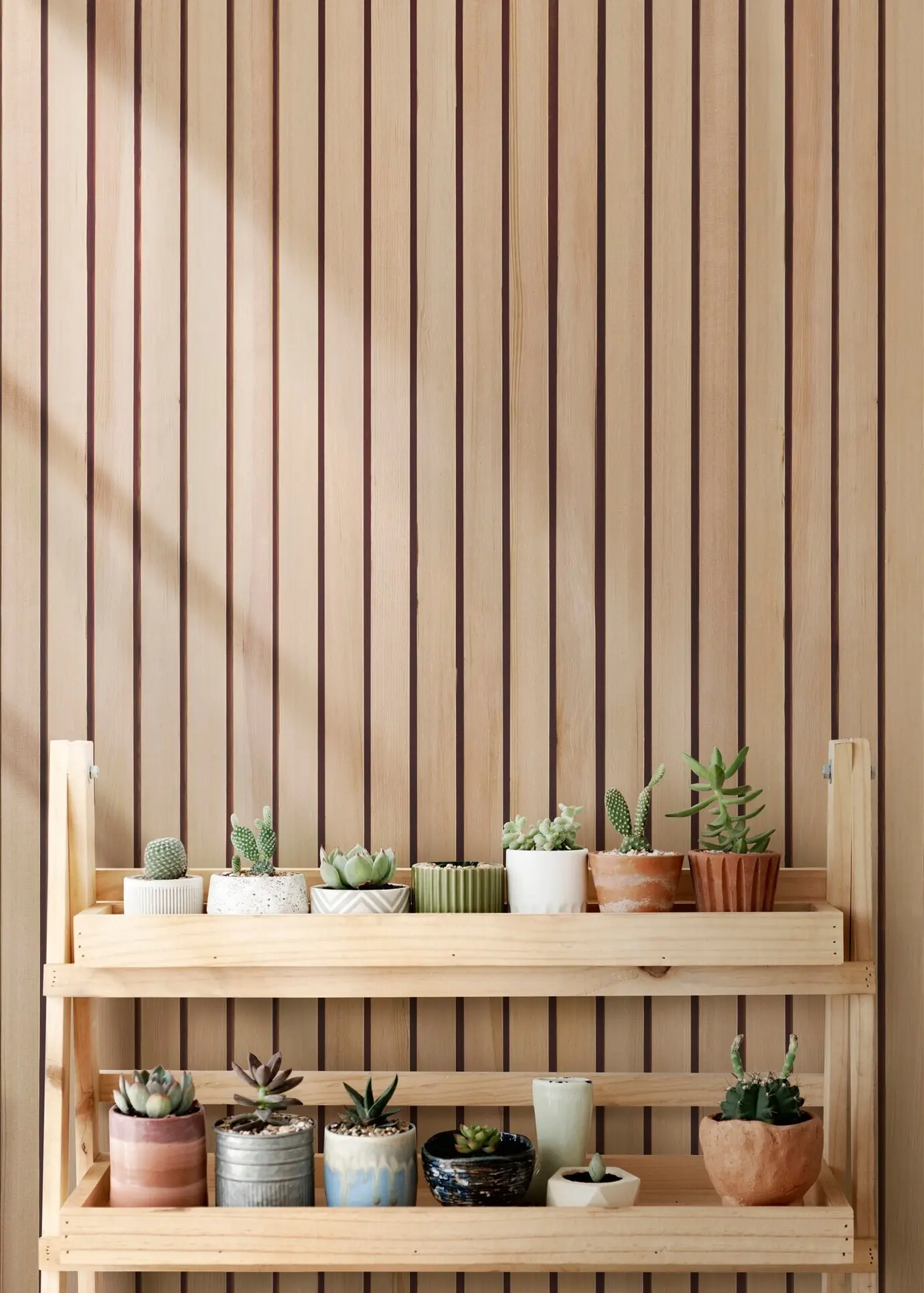
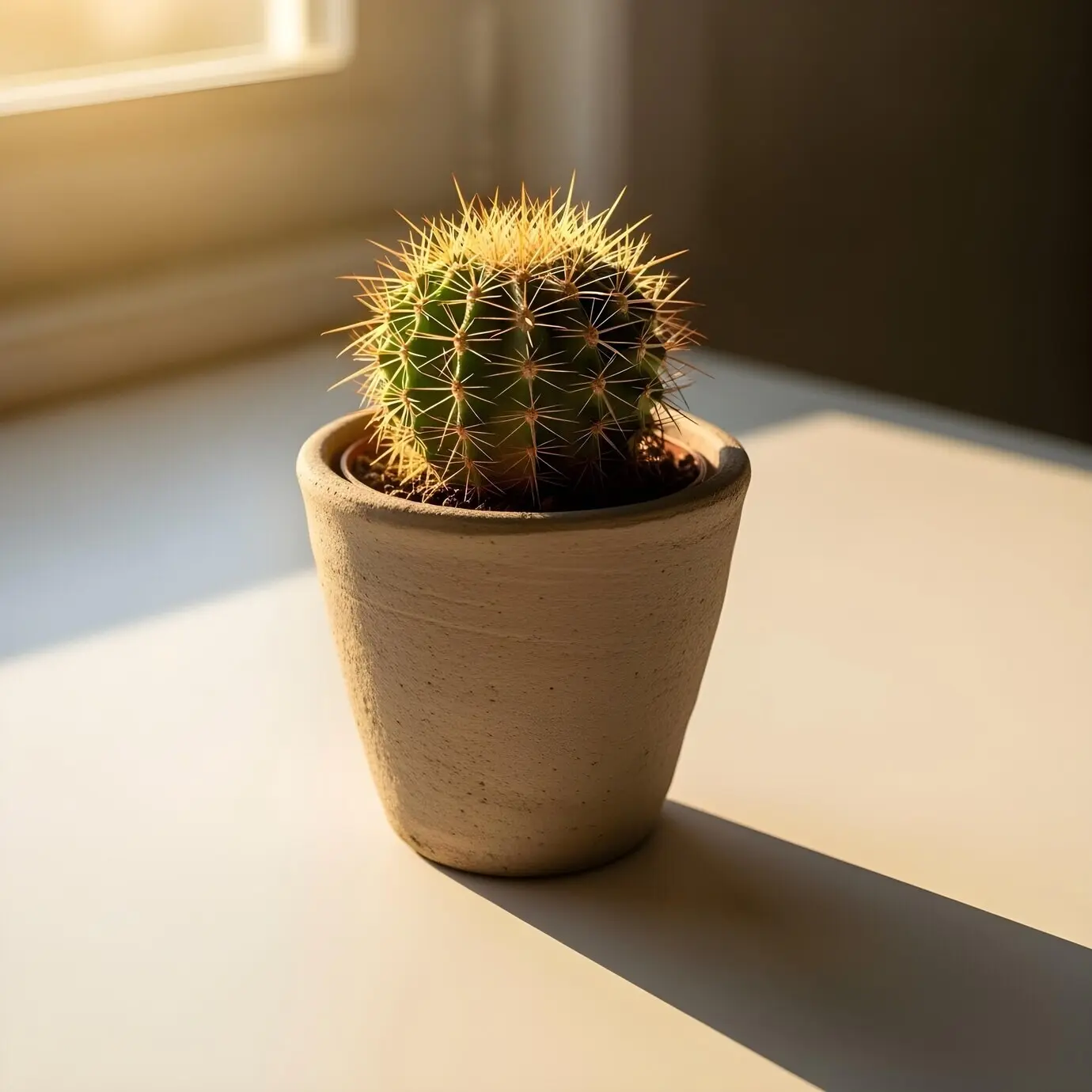
Succulents store water in leaves or stems, turning scarcity into sculpture. Place them in bright, warm spots away from cold drafts, and drench thoroughly only when soil is bone-dry. A gritty, fast-draining mix keeps roots happy, while terracotta pots release moisture gracefully over time.

Tough Leaves: Snake Plant, ZZ, Hoya, and Friends

Snake plant and ZZ tolerate forgetfulness with style, storing resources in rhizomes and sturdy leaves. Give them light they enjoy—indirect to bright—and resist frequent watering. Dust leaves monthly for efficient photosynthesis, and watch them reward consistency with new spears that signal genuine comfort indoors.

Leaning Into Moisture: Plants That Love Bathrooms and Busy Kitchens

Moist rooms invite foliage with delicate textures and saturated color. By leaning into humidity instead of fighting it, you can grow ferns, calatheas, and epiphytes that look refreshed after showers. Balance moisture with airflow to avoid mildew, and enjoy leaves that unfurl dramatically overnight.

Breeze-Proof Beauties for Drafty Entryways and Lively Windows

Drafts are not always enemies; they can strengthen stems when managed thoughtfully. Identify seasonal breezes and temperature swings, then choose resilient plants and practical shields. With a few inches of distance and occasional rotation, leaves stay supple, avoiding burns, bruises, and exasperating flutter that wastes energy.

South‑Facing Success With Sheers, Distance, and Rotation

South windows can be generous yet harsh. Place plants slightly off-axis, filter light through sheers, and rotate a quarter turn weekly. Watch leaf shadows soften while color deepens, a sign that intensity is high enough for growth without tipping into thirst or cellular damage.

Heat Lovers by Radiators: Citrus, Basil, and Tropical Vines

Near radiators or warm appliances, lean into culinary herbs, compact citrus, and tropical vines that appreciate gentle heat yet abhor scorching. Add a heat shield tile under pots, and check moisture more often, because warmth accelerates metabolism, growth, and, inevitably, the speed of drying soil.

Summer Heatwaves: Acclimation, Timing, and Cool Roots

Heatwaves call for acclimation. Shift sensitive plants back from glass, water in the cool morning, and mulch the soil surface with decorative bark or leca. Evaporation slows, roots stay cooler, and leaves ride out spikes without the dramatic droop that unsettles every caretaker.

Water by Weight, Touch, and Leaf Language

Lift the pot and feel its weight, touch the topsoil for dryness, and read leaves for cues: curl, droop, or matte sheen. Water thoroughly when needed, letting excess drain. This mindful cadence, linked to conditions, prevents chronic thirst and overwatering better than any rigid calendar.

Match Light to Anatomy and Native Habitat

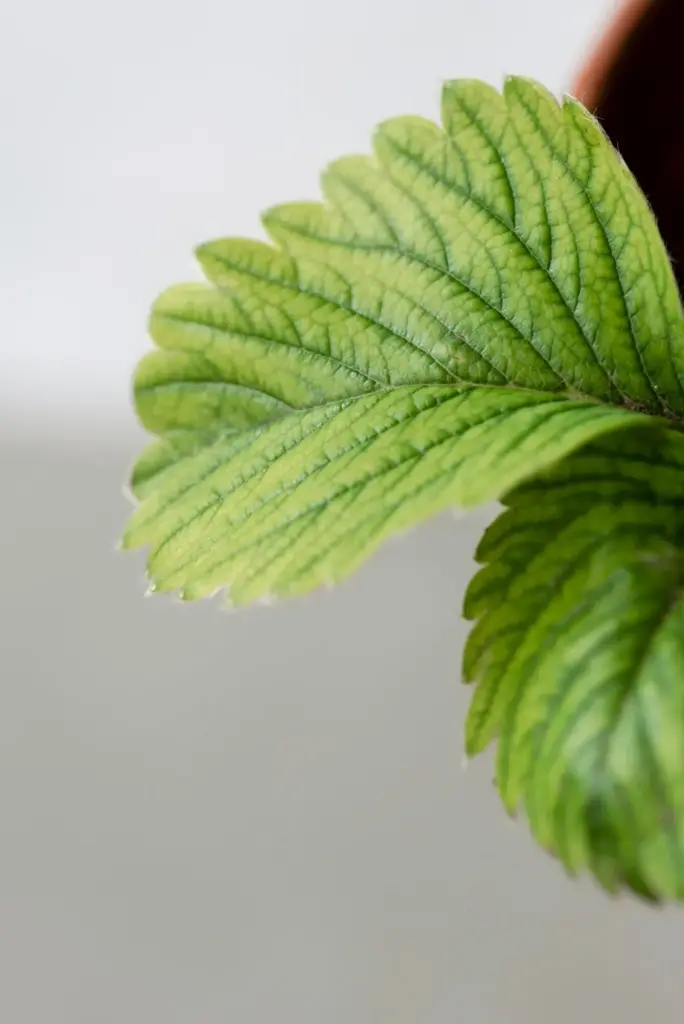
Thin leaves burn easily and crave filtered brightness; thick leaves tolerate intensity and conserve moisture. Trace each plant’s origin—understory, canopy edge, desert—and let that story guide placement. Matching light to anatomy reduces stress, revealing the confident posture that signals genuine comfort over time.
Panoxelurivantapio
Privacy Overview

This website uses cookies so that we can provide you with the best user experience possible. Cookie information is stored in your browser and performs functions such as recognising you when you return to our website and helping our team to understand which sections of the website you find most interesting and useful.